LCL sea shipping gives Amazon sellers a way to move Germany-bound inventory without reserving a full container for a single shipment. The service can be useful for smaller or planned replenishment cargo, but it requires more detailed coordination around consolidation, carton information, destination handling, and final FBA delivery.
Consolidated freight works best when the forwarding team receives complete shipment data before the cargo reaches the cutoff. Product description, carton count, dimensions, gross weight, packaging, labels, readiness date, and FBA destination all influence the receiving, consolidation, booking, and final delivery plan.
Inaccurate dimensions or incomplete packing information can affect the charge basis and handling plan. For this reason, sellers should treat the cargo brief as the foundation of the LCL quotation rather than as a detail to be corrected after the shipment is already moving.
An LCL shipment usually involves supplier pickup, cargo receiving, consolidation, export handling, ocean transport, destination deconsolidation, import coordination, inland movement, and final delivery. Each handoff needs to be visible in the quotation and connected to the named FBA warehouse.
A low ocean freight line may not represent the complete cost if consolidation, destination handling, storage, inland transport, or accessorial charges are listed separately. Sellers should compare the full cargo-to-warehouse route rather than the sea freight line alone.
The choice between LCL and a full container depends on cargo volume, shipment frequency, packaging, handling sensitivity, delivery timing, and total landed cost. LCL may suit smaller loads, while a full container may become more practical as volume increases or when the seller wants dedicated container space. The right decision should be based on the actual shipment profile.
|
Planning Question |
Why It Matters |
Information Needed |
|
How much cargo is ready? |
Determines whether consolidation or dedicated space is more suitable |
Carton count, dimensions, gross weight, and volume |
|
When must inventory arrive? |
Influences cutoff, sailing selection, and final delivery planning |
Readiness date and FBA receiving requirement |
|
What is included at destination? |
Prevents a port-level quote from being mistaken for warehouse delivery |
Deconsolidation, import, inland, and final-mile scope |
Sunny Worldwide Logistics (SZ) Limited was established in 1998 and operates as a full-service domestic and international freight forwarder based in China. The company owns a Class A office of 1,800 square meters and a trucking company in Shenzhen sea port, supporting direct control over the first mile of every shipment.
Origin handling is where supplier pickup, cargo receiving, packing information, and export preparation begin to connect. This does not eliminate carrier, customs, consolidation, or warehouse variables, but it gives the seller a clearer starting point for an LCL route.
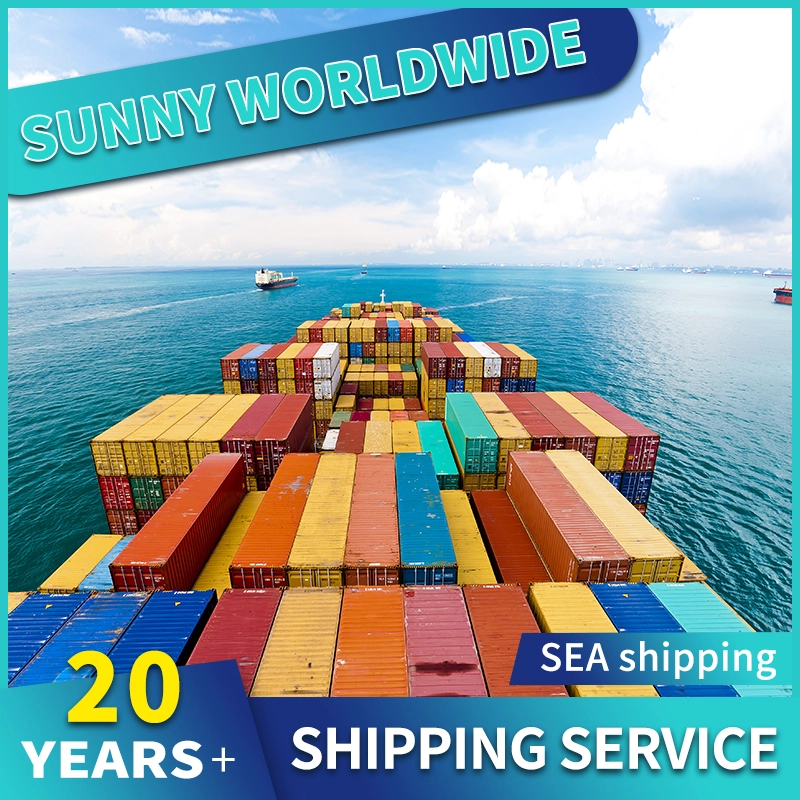
The consolidation stage is only one part of the route. After the cargo is deconsolidated, it may require import processing, inland movement, and delivery to the assigned FBA warehouse. Sellers should confirm that the quotation covers the complete post-arrival route and clearly identifies responsibilities.
The importer or its designated customs agent remains responsible for destination import formalities unless another arrangement is expressly confirmed in writing. This boundary should be clear before the shipment is dispatched.
China-to-Germany LCL sea shipping can be a practical FBA replenishment option when the cargo volume, consolidation schedule, and warehouse delivery plan are aligned. Sellers can improve cost visibility by providing accurate cargo data, comparing LCL with full-container alternatives, and reviewing every handoff from supplier pickup to final FBA delivery.
Sunny Worldwide Logistics (SZ) Limited is a China-based full-service domestic and international freight forwarder established in 1998. Its operation includes a Class A office of 1,800 square meters and a trucking company in Shenzhen sea port, supporting direct control over the first mile of international shipments.