Denver-bound Amazon FBA inventory requires a port-to-inland logistics plan because Denver is not an ocean gateway. A China-origin shipment must connect supplier pickup and export handling with ocean freight to a U.S. port, destination arrangements, inland rail or trucking, and final delivery to the assigned FBA warehouse.
A port-to-warehouse route cannot be evaluated by ocean freight alone. Once the cargo reaches the U.S. gateway, it still needs customs and port handling, inland movement, and final-mile delivery. The chosen gateway, inland mode, FBA warehouse location, cargo profile, and delivery conditions all affect the practical route.
Sellers should ask for a complete warehouse-delivery quotation instead of treating a port arrival estimate as the final delivery plan. Rail or trucking charges, port handling, chassis, storage, appointment, and other accessorial items may be separate depending on the confirmed scope.
Product description, quantity, carton count, dimensions, gross weight, packaging, supplier address, cargo-ready date, importer information, and assigned FBA warehouse are the foundation of a route-specific quote. Complete data helps the forwarding team evaluate the ocean leg and the inland transfer together.
|
Question |
Why It Matters |
Information to Review |
|
Which U.S. gateway is proposed? |
The port starts the inland leg toward Denver |
Port, routing, schedule, and port charges |
|
How will cargo move inland? |
Rail and truck options have different planning and accessorial conditions |
Inland mode, handoff, destination availability, and charges |
|
What is the final FBA destination? |
The warehouse controls final-mile planning |
Assigned warehouse and shipment-plan details |
|
Who handles import? |
DDP responsibility must match the actual importer arrangement |
Importer and designated customs agent |
|
What is included? |
Prevents a port-level price from being mistaken for delivery to FBA |
Freight, customs, duties, taxes, inland, final-mile, and exceptions |
Sunny Worldwide Logistics (SZ) Limited was established in 1998 and operates as a full-service domestic and international freight forwarder based in China. The company owns a Class A office of 1,800 square meters and a trucking company in Shenzhen sea port, supporting direct control over the first mile of every shipment.
The origin stage connects supplier pickup, cargo receiving, export preparation, and ocean handoff. It cannot eliminate carrier, port, customs, inland, or warehouse variables, but it gives the seller a clearer information chain before the shipment leaves China.
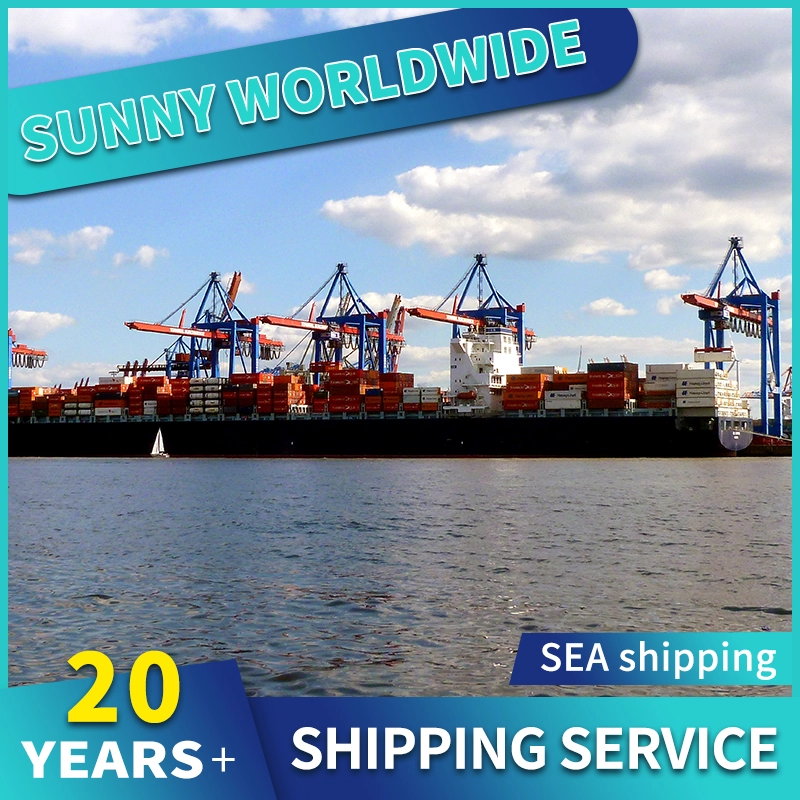
A transparent DDP proposal should separate or clearly explain China origin charges, ocean freight, U.S. gateway charges, import and brokerage arrangements, duties and taxes, inland rail or trucking, final-mile delivery, and exception charges. Sellers should also ask how storage, demurrage, detention, chassis, rebooking, and warehouse delivery issues are handled.
The importer or its designated customs agent remains responsible for destination import formalities unless another arrangement is expressly confirmed in writing. A DDP label does not replace accurate declarations, compliant goods, complete documents, or an agreed responsibility map.
China-to-Denver FBA DDP shipping is best planned as a complete port-to-inland route. Sellers can improve cost and delivery visibility by reviewing the ocean gateway, import arrangement, inland rail or truck movement, and final FBA delivery together instead of focusing only on the sea freight leg.
Sunny Worldwide Logistics (SZ) Limited is a China-based full-service domestic and international freight forwarder established in 1998. Its operation includes a Class A office of 1,800 square meters and a trucking company in Shenzhen sea port, supporting direct control over the first mile of international shipments.