For Amazon sellers moving inventory from China to Germany, Hamburg sea shipping is not simply a port-to-warehouse transaction. The route combines supplier preparation, export handling, ocean transport, German import coordination, and final delivery to the FBA destination. A clear DDP scope can make these responsibilities easier to review before the cargo leaves China.
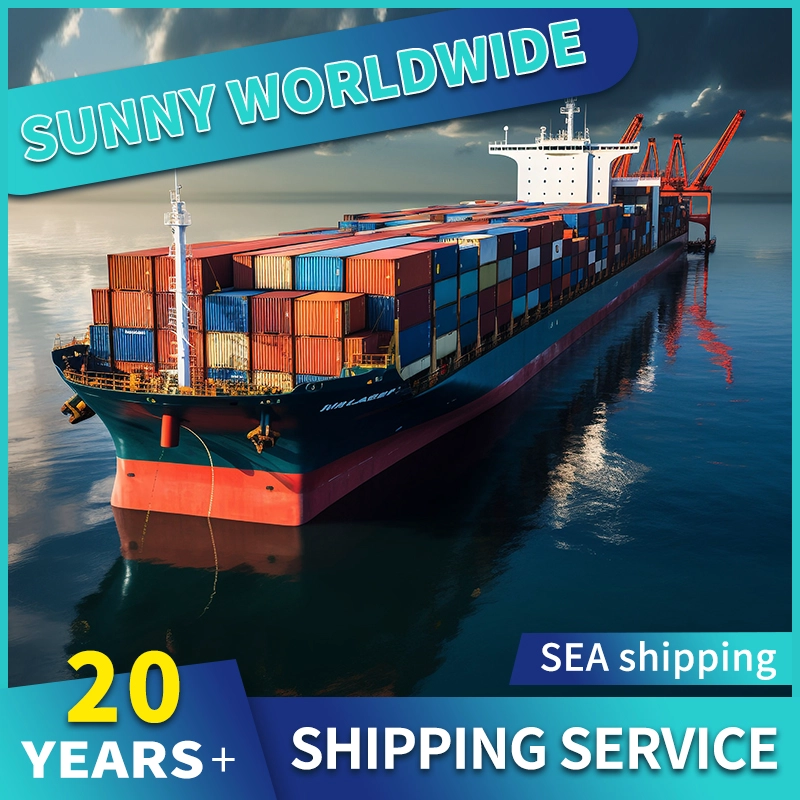
The phrase door-to-door can describe different service boundaries. One quotation may include only transport to a destination terminal, while another may include import coordination and delivery to the named warehouse. Sellers should therefore request a written description of the route and charges rather than comparing a single freight line.
For a Hamburg FBA shipment, the review should cover origin pickup, export handling, ocean freight, import responsibility, duties and taxes, inland movement, final-mile delivery, and any warehouse receiving requirements. This creates a clearer basis for budgeting and inventory scheduling.
DDP is useful when a seller wants a coordinated landed-delivery arrangement, but the term still depends on the information supplied for customs and delivery planning. Product description, declared value, classification, importer details, packaging, and destination data can affect the process. The commercial quotation should state what is included and identify items that remain outside the agreed scope.
This distinction protects both sides of the transaction. The freight forwarder can coordinate the confirmed logistics services, while the importer or its designated customs agent remains responsible for destination import formalities unless another arrangement has been expressly confirmed in writing.
Sunny Worldwide Logistics (SZ) Limited was established in 1998 and operates as a full-service domestic and international freight forwarder based in China. The company owns a Class A office of 1,800 square meters and a trucking company in Shenzhen sea port, giving it direct control over the first mile of every shipment.
A controlled first mile gives the logistics team an opportunity to check whether supplier pickup details, carton data, packing information, labels, and export documents are aligned before the ocean booking proceeds. For FBA cargo, early accuracy can reduce avoidable corrections during later port, import, and warehouse coordination stages.
Sea freight is better suited to inventory that can be scheduled in advance than to an urgent stockout response. Sellers should work backward from the expected FBA receiving requirement and leave room for cargo readiness, booking cutoffs, ocean schedules, import processing, and final-mile coordination. The exact timeline depends on the shipment and should be confirmed in a route-specific quotation.
When the seller understands the complete route, the choice between sea freight and a faster mode becomes a business decision based on urgency, volume, and cost rather than a guess based on the ocean segment alone.
China-to-Germany DDP sea shipping through Hamburg can provide a structured solution for planned FBA replenishment when the service scope is clearly defined. The strongest preparation combines accurate supplier data, a visible ocean-to-warehouse route, and written responsibility for import and delivery tasks. That discipline helps sellers protect delivery planning while keeping the logistics offer commercially understandable.
Sunny Worldwide Logistics (SZ) Limited is a China-based full-service domestic and international freight forwarder established in 1998. Its operation includes a Class A office of 1,800 square meters and a trucking company in Shenzhen sea port, supporting direct control over the first mile of international shipments.